Reaching for the Stars: Addressing Housing and Workforce Challenges in Seattle’s Growing Space Industry
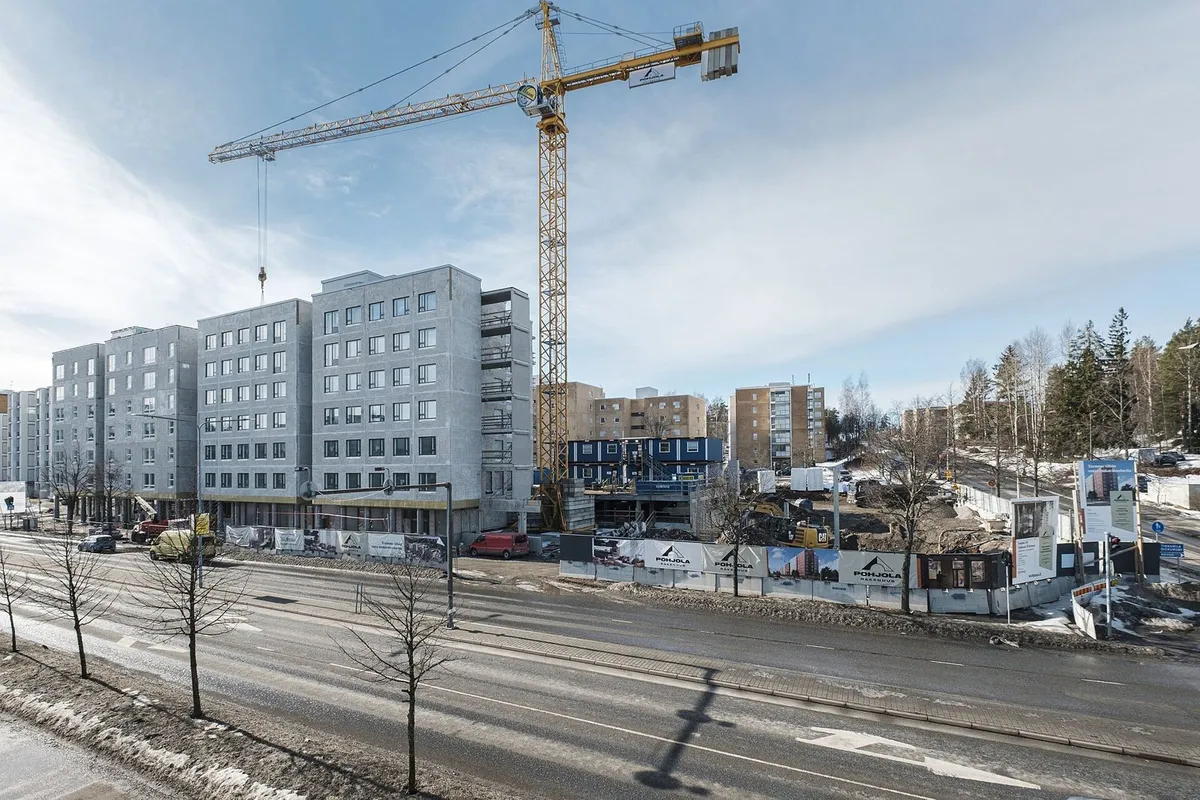
The Seattle area’s burgeoning space industry faces a significant challenge that extends beyond the final frontier: housing
affordability for its workforce. This issue took center stage at a recent Bellevue Chamber luncheon, where industry leaders and politicians gathered to discuss the sector’s growth and obstacles.
Washington State’s commercial space ventures contribute $4.6 billion to the economy and employ over 13,000 people, according to Mike Fong, director of the Washington State Department of Commerce. This figure has seen substantial growth since it was first reported two years ago. Major players like Blue Origin, with approximately 11,000 employees nationwide and headquarters in Kent, and Amazon’s Project Kuiper, which has expanded to about 2,000 workers across facilities in Redmond, Kirkland, and Everett, are driving this expansion.
The industry’s rapid growth, combined with contributions from companies such as SpaceX, Aerojet Rocketdyne, and LeoStella, is intensifying pressure on an already strained housing market. In Bellevue, for instance, the median home selling price exceeds $1.5 million.
U.S. Representative Adam Smith (D-Wash.) highlighted the urgency of addressing this issue, stating, “Not everybody who works in these companies is going to be issued 200 grand a year in stock options. How are you going to afford a place to live?” Smith emphasized the need for streamlining the housing development process, criticizing the current “nightmare permitting process” and its associated costs.
The discussion also touched on the importance of education,
particularly in STEM fields, to support the industry’s future workforce. Kelly Maloney, co-founder of Space Northwest, stressed the need for programs targeting young individuals, especially those from underserved and marginalized communities.
Despite these challenges, there are positive developments in workforce development. Smith noted increasing cooperation between businesses, unions, community colleges, technical schools, and high schools. Brian Huseman, Amazon’s vice president for public policy and community engagement, highlighted Project Kuiper’s partnership with Lake Washington Institute of Technology to create a certificate program for satellite technicians.
Looking ahead, Maloney suggested that Washington’s space industry could benefit from government partnerships to establish incubators specific to the space and related tech industries. This approach could foster innovation at the startup stage, building on existing accelerators like Starburst, AWS Space Accelerator, and Techstars Space Accelerator.
Fong contextualized the current space industry boom as a continuation of the region’s six-decade legacy in aerospace, dating back to Boeing’s work on the Apollo missions’ lunar rover. He emphasized that the “unique DNA of the Pacific Northwest” enables the region to maintain a leading role in this emerging economic opportunity.
The event underscored the complex interplay between the space industry’s growth and its impact on local communities. As the sector continues to expand, addressing housing affordability and developing a skilled workforce remain critical challenges. The industry’s success in navigating these earthbound issues may well determine its ability to reach for the stars.
The discussion at the Bellevue Chamber event reflects a growing awareness that the space industry’s future in the Seattle area depends not just on technological innovation, but also on solving fundamental quality-of-life issues for its workforce. As the region continues to attract and grow space-related businesses, the pressure to find solutions to housing and education challenges is likely to intensify, requiring collaborative efforts from industry leaders, policymakers, and community stakeholders.