Ravel’s Groundbreaking Technology Promises to Revolutionize Clothing Recycling by Tackling Elastane Separation
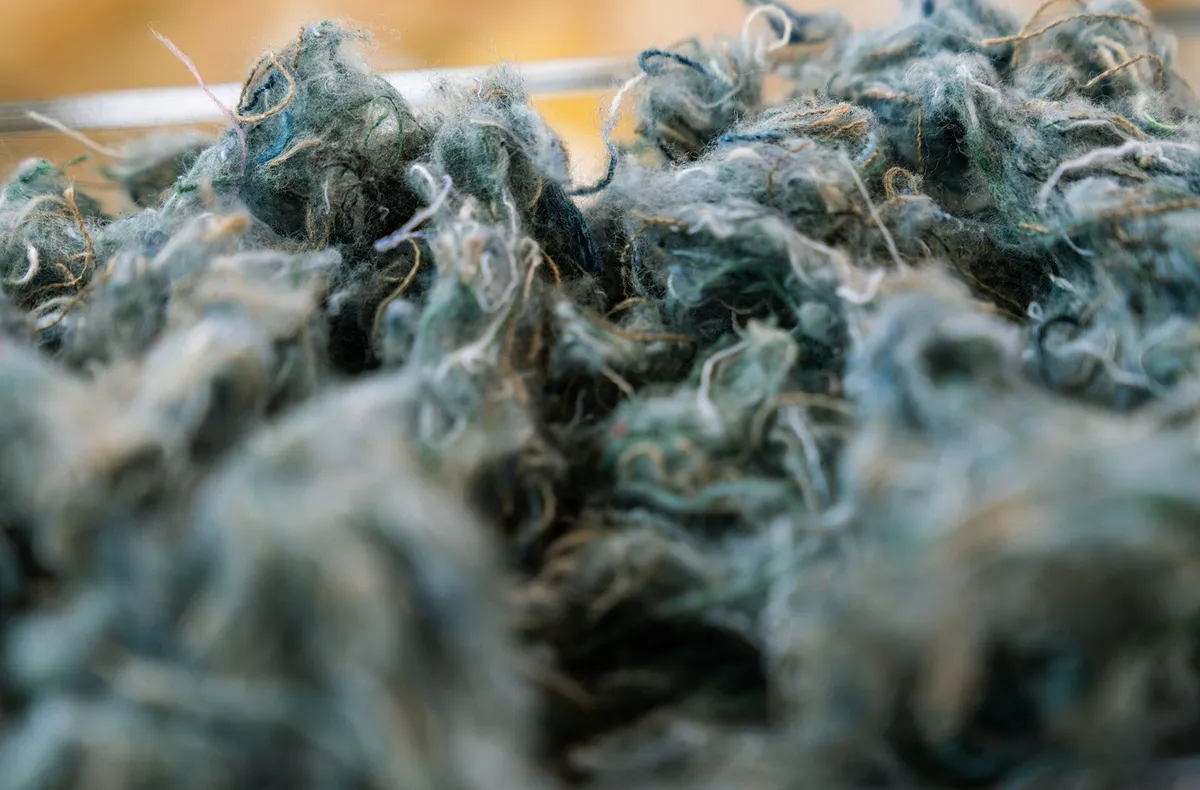
A Seattle-based startup has developed groundbreaking technology that could revolutionize clothing recycling by tackling one of the industry’s most persistent challenges: elastane separation. The company, Ravel, announced new pre-seed funding from investors including One Ventures, Collateral Good, Collab Shared Future Fund, and Climate Capital to expand its innovative recycling solution.
The company’s proprietary technology focuses on separating elastane – commonly known as spandex or Lycra – from mixed-fabric clothing. This stretchy material, while providing essential flexibility to garments, has traditionally made recycling nearly impossible. Ravel’s solution transforms these previously unrecyclable textiles into high-quality plastic pellets suitable for creating new polyester fabrics.
“The presence of elastane makes clothing stretchy and comfortable, but it also renders these items non-recyclable,” explains Zahlen Titcomb, Ravel’s CEO and co-founder. The company emphasizes that their “purification recycling” process maintains material quality without downcycling, using environmentally safe chemicals and energy-efficient methods that produce no additional waste.
The timing is crucial, as clothing production has doubled since the early 2000s, while recycling rates remain disappointingly low. According to EPA data from 2018, only about 13% of clothing and footwear gets recycled, with the majority ending up in landfills or incinerators.
Ravel’s six-person team, led by Titcomb alongside co-founders Kristen Albrecht (Chief Sustainability Officer and VP of Operations) and John Goods (Chief Technologist), has already established a pilot facility processing industrial quantities of textiles. The company is now preparing for commercial-scale operations, with strategic plans to position their facilities near supply chain partners to minimize transportation-related environmental impact.
The startup’s emergence comes as regulatory pressure mounts in the textile waste sector. California has already enacted legislation addressing textile waste, while similar initiatives are under consideration in other states, including Washington and New York. The European Union is also moving forward with related regulations.
Ravel joins a growing field of companies working to solve textile recycling challenges, including fellow Seattle-based Evrnu, along with Ambercycle, Infinited Fiber, Circ, and Worn Again Technologies. What sets Ravel apart is its specific focus on elastane separation, with plans to expand into other fabric components in the future.
The company’s approach aligns with broader sustainability goals while acknowledging the continued importance of traditional clothing reuse. “We support secondhand shopping and clothing reuse,” Titcomb notes, reflecting on his own background with hand-me-downs and thrift store shopping. However, with massive quantities of clothing being discarded or shipped to developing nations where they may be unusable, Ravel’s technology offers a crucial solution for truly unwearable items.
The startup’s technology comes at a time when numerous clothing brands are actively seeking recycled materials for their products. Currently, most recycled textile material comes from plastic bottles, a practice increasingly criticized as inefficient downcycling. Ravel’s process offers a more sustainable alternative by keeping textile materials in the clothing production cycle.
The company is currently partnering with various stakeholders across the apparel industry, including clothing brands, textile
manufacturers, and raw material producers. As Titcomb envisions it, this technology could fundamentally alter how future generations approach consumption and textile waste, creating a more sustainable fashion industry through innovative recycling solutions.