Seattle’s Traffic Woes Escalate: Stricter Office Policies Drive Up Congestion and Commute Times
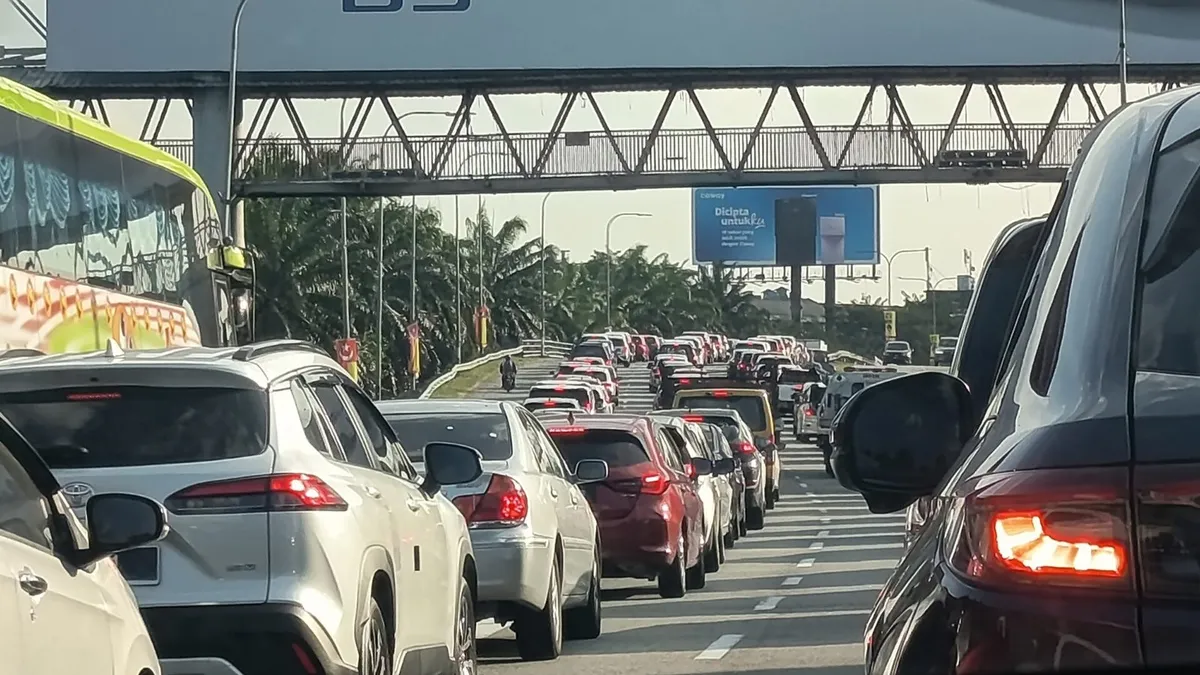
Traffic congestion in the Seattle metropolitan area worsened significantly in 2024, with drivers spending an additional 9% of their time stuck in delays compared to the previous year, according to new data released by transportation analytics firm Inrix in their 2024 Global Traffic Scorecard.
The average Seattle driver lost 63 hours to traffic delays last year, up from 58 hours in 2023, resulting in approximately $1,128 in lost time and productivity per person. These figures maintained Seattle’s position as the tenth most congested city in the United States.
The increase in traffic density appears closely tied to the growing trend of employees returning to office work, with major employers implementing stricter in-person attendance policies. Amazon, Seattle’s largest employer with approximately 50,000 workers in the city and 12,000 more in neighboring Bellevue, recently mandated full-time office attendance. This follows their initial three-day-per-week policy implemented in May 2023, which had already begun showing noticeable impacts on traffic patterns, particularly during midweek workdays.
According to U.S. Census data referenced in the Inrix report, remote work in Seattle declined by 19% from 2022 to 2023. Other major employers, including Starbucks, have also begun enforcing strict return-to-office policies, contributing to increased road congestion.
Transportation analyst Bob Pishue, who authored the scorecard, explains that Seattle’s traffic challenges are intensified by its unique urban characteristics. The city’s downtown area contains approximately 10% of total employment, a concentration matched by only a few other metropolitan areas like New York and San Francisco. This centralization of employment, combined with geographical constraints such as Puget Sound and large lakes, creates particular challenges for traffic flow.
While overall car commuting increased by 7% from 2022 to 2023, public transit usage saw a 24% rise during the same period. However, transit ridership remains 46% below pre-pandemic levels, though this may change with the recent expansion of the region’s light rail system to include new stations north and east of Seattle.
Looking ahead, the Washington State Department of Transportation is preparing for a major infrastructure project starting this spring. The $203 million “Revive I-5” initiative will involve significant highway closures over three years for resurfacing and other improvements, potentially leading to substantial traffic disruptions.
The trend of increasing traffic congestion isn’t unique to Seattle among tech hubs. San Francisco, another major technology center, experienced a 2% rise in traffic congestion last year, coinciding with a 24% decrease in work-from-home arrangements between 2022 and 2023.
Seattle’s traffic situation reflects broader challenges facing growing urban centers as they balance post-pandemic workplace changes with existing infrastructure limitations. The city’s geography and concentrated employment centers create particular challenges for traffic management, while ongoing infrastructure projects aim to address these issues despite potential short-term disruptions.
The data suggests that current traffic patterns, especially during traditional commute hours on Mondays and Fridays, are likely to continue evolving as more companies implement stricter office attendance policies. While public transit options exist, their capacity to absorb increasing commuter volumes remains a critical consideration in managing Seattle’s growing traffic challenges.