Tesla opens Cybercab orders at $29,990, plus a $299 monthly fee to make it drive
Tesla's two-seat Cybercab is open to select buyers at $29,990, but it only drives with a $299 monthly subscription and only inside Robotaxi zones. NHTSA's review of its design is still open.
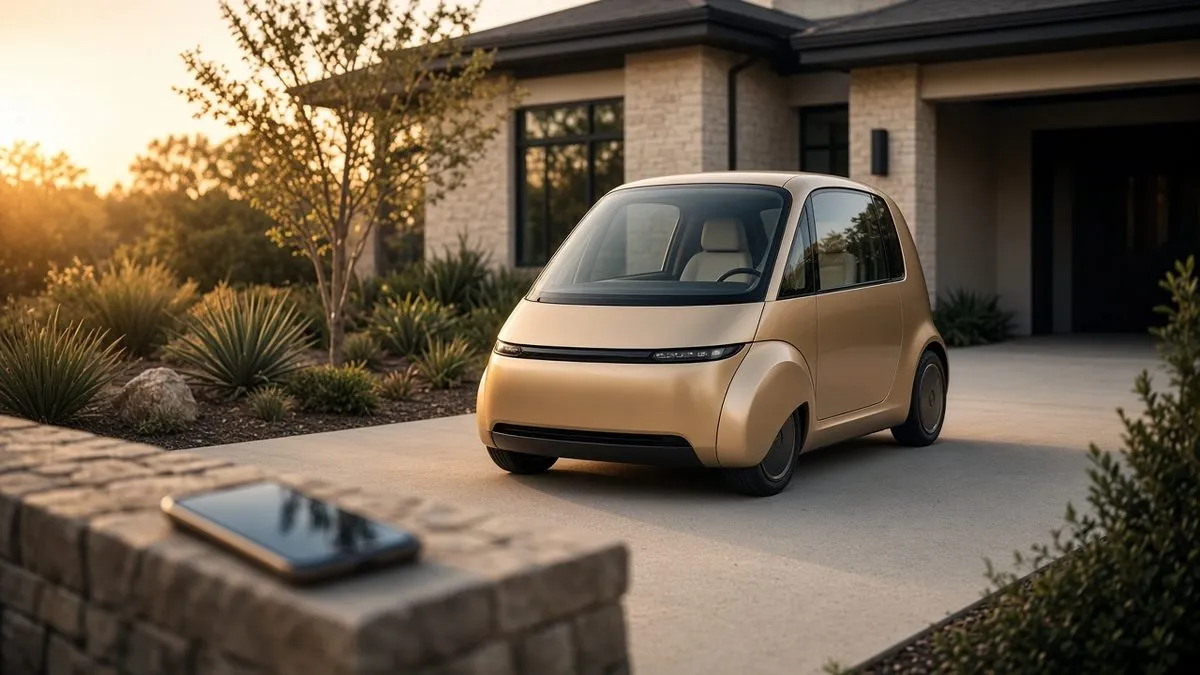
Tesla has started inviting a limited group of buyers to order its two-seat Cybercab for personal use, at a list price of $29,990 plus a mandatory $299-a-month subscription that the car needs in order to drive at all. The company's Robotaxi account announced the invitations on X on Friday evening U.S. time, saying "select customers" can now buy the vehicle.
InsideEVs says the car could become the first Level 4 autonomous vehicle that people can actually own. The terms also show how far the economics and the rules for consumer-owned driverless cars still have to move before that market looks anything like the one Tesla pitched when it unveiled the Cybercab in 2024.
What buyers are signing up for
According to screenshots of the order page reviewed by Electrek, the Cybercab is listed at $29,990 before taxes, with an estimated delivery of December 2026 in Austin, Texas, and a $1,000 non-refundable deposit to place an order. The $299 monthly "Autonomy Subscription" is pre-checked, with the first month included, and the fine print says the subscription and regular maintenance are required to operate the car.
That subscription works out to $3,588 a year. The Verge and Electrek both put the five-year cost at roughly $47,600 before taxes, charging and insurance. InsideEVs notes that the sticker price alone undercuts the Model 3 by $7,000, making the Cybercab Tesla's cheapest vehicle.
Because there is no manual fallback, cancelling the subscription leaves the car unable to drive on public roads, The Verge reports. The order terms it reviewed also bar owners from commercial use, which rules out ride-hailing, delivery work, or adding the car to Tesla's own Robotaxi network to offset the fee. Tesla can raise the subscription price with 30 days' notice, and the subscription does not include auto insurance.
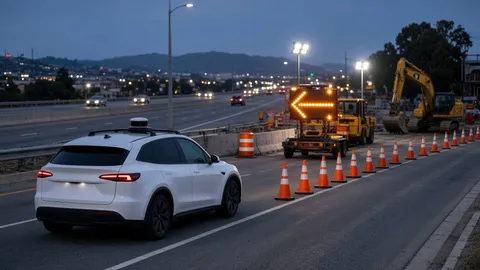
The hardware is what Tesla has shown before: two seats, a 21-inch center touchscreen, 20.1 cubic feet of cargo space, and no steering wheel or pedals. Owners manage trips through the Tesla app.
Only inside the Robotaxi map
The car will only run in what Tesla calls supported service areas. Tesla AI chief Ashok Elluswamy said the Cybercab will work "unsupervised inside all the same geo locations as @robotaxi, just serving the owners' needs," according to TechCrunch. Electrek lists those Robotaxi markets as Austin, Dallas, Houston, Fort Worth and San Antonio in Texas, plus Miami, Orlando and Tampa in Florida.
The usable area may be smaller than the maps suggest. Electrek cites independent tracker Koby Pierce, who tested thousands of addresses in the Robotaxi app and found that the zones where Tesla actually accepts pickups and drop-offs cover 59% to 78% of the advertised geofences in the six cities he checked, and about 59% in Austin.
Tesla already runs Cybercabs in its own fleet. The Verge, citing the crowd-sourced Robotaxi Tracker, says 278 Cybercabs are in operation, about 40% of the Robotaxi fleet, after the vehicle began giving rides in Austin in September. TechCrunch adds that Tesla recently said it will stop building the Cybertruck next year and use the freed-up factory capacity for more Cybercabs.
Musk calls the fee too high
Elon Musk weighed in on X. Replying to tech reviewer Marques Brownlee, he said the Cybercab "will be available nationwide, as we receive regulatory approval," and called the monthly fee "too high," saying it should match the cost of Full Self-Driving and connectivity on other Tesla models, "more like ~$115/month," TechCrunch reports. Tesla currently charges $99 a month for its FSD feature, according to The Verge.
Existing owners are a sore point. Musk has said Model 3 and Model Y owners who paid for FSD should get unsupervised driving in Robotaxi areas in the second quarter of next year, InsideEVs reports, and Elluswamy has floated the same period as a possible target for letting customer cars join the Robotaxi network.
The regulatory question
Federal motor vehicle safety standards were written around cars with steering wheels, pedals and mirrors. Electrek reports that the National Highway Traffic Safety Administration ordered Tesla to show under oath that a car with no brake pedal meets those standards; Tesla answered on October 30 and asked that its entire response be kept confidential, and NHTSA has not ruled.
The standard alternative is an exemption, which InsideEVs notes is capped at 2,500 noncompliant vehicles a year. Zoox was recently granted an exemption to deploy 5,000 of its autonomous pods over two years. NHTSA has said it is working to streamline its rules for autonomous vehicles, which could help Tesla's case.
Others are working toward consumer-owned autonomy on longer timelines. InsideEVs points to Rivian's plan to add lidar and an in-house chip to the R2, and General Motors' plan for an eyes-off version of Super Cruise on the Cadillac Escalade IQ in 2028, starting on highways.
For now, Tesla says initial availability is limited, and it has not said how many Cybercabs it will sell to private buyers or how it chooses who gets an invitation. Its estimated window for the first owner deliveries is December in Austin, while NHTSA's review of the car's compliance is still open.
Venture Block has also covered why driver monitoring matters for autonomous vehicles, Zipline's drone delivery expansion with Walmart, and Bedrock Robotics' driverless excavators.