Blue Origin’s New Shepard Test Flight Achieves Milestone in Suborbital Space Tourism
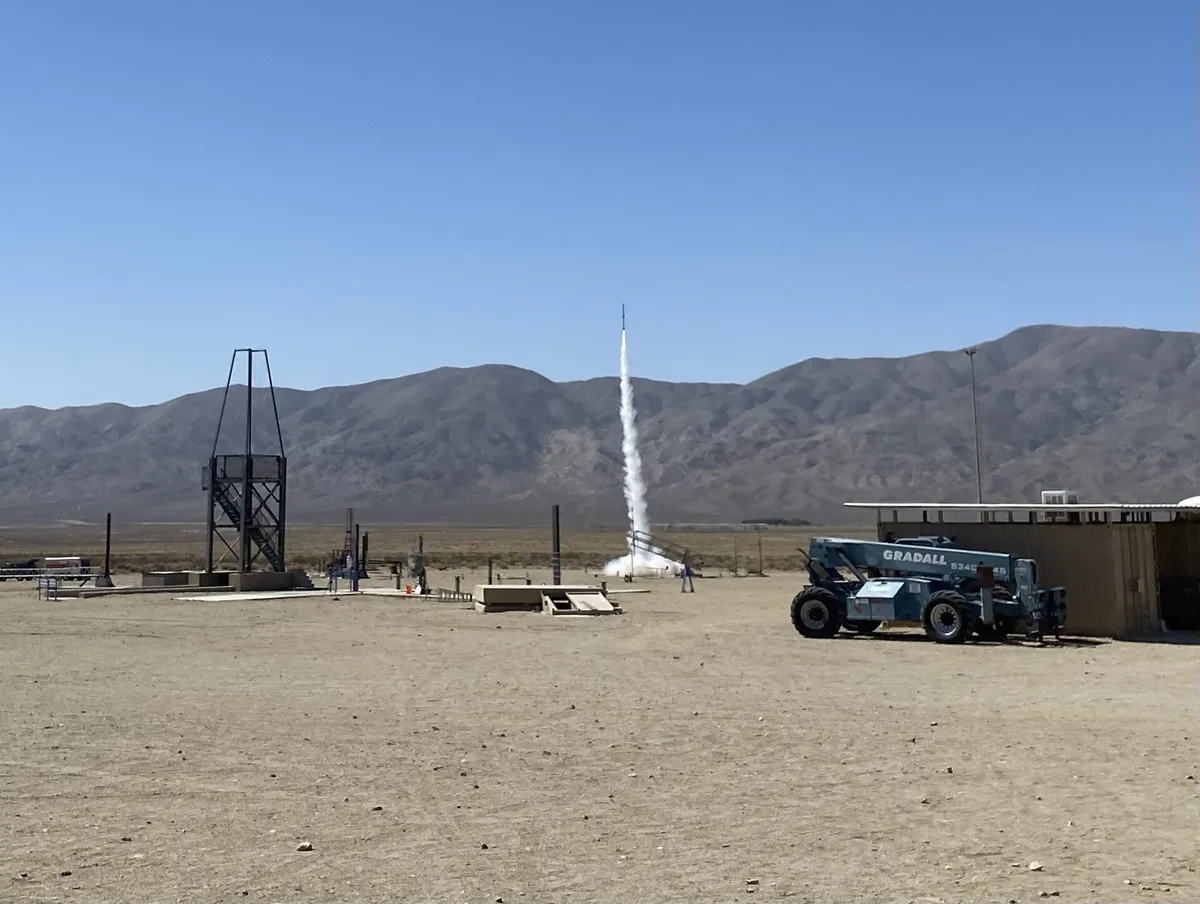
Blue Origin successfully completed an uncrewed test flight of its latest New Shepard spacecraft today, marking an important milestone in expanding the company’s suborbital space tourism capabilities. The new capsule, RSS Karman Line, lifted off from the company’s West Texas facility at 10:27 a.m. CT, completing a crucial certification mission before it begins carrying passengers.
The 10-minute flight represented the 27th New Shepard mission overall, designated as NS-27, but was the first for this particular vehicle. The new capsule joins Blue Origin’s fleet alongside RSS First Step, which has already transported 43 people to space across eight crewed flights.
Named after the internationally recognized 100-kilometer boundary of space, RSS Karman Line features several technological improvements designed to enhance performance and reusability. The spacecraft sports a simplified exterior design, removing the prominent feather emblem that adorned previous vehicles – a change that will streamline maintenance between flights according to launch commentator Joel Eby.
The mission reached its launch pad twice before, but technical issues forced delays. Even today’s countdown experienced minor setbacks before the hydrogen-powered engine finally ignited. Following liftoff, the mission proceeded according to plan, with the capsule separating from its booster and crossing the Karman Line at 100 kilometers altitude. The booster executed an autonomous landing near the launch site while the capsule descended via parachute to touch down in the Texas desert.
The flight carried 12 experimental payloads: five mounted on the booster and seven inside the capsule. These included navigation systems being developed for both New Shepard and Blue Origin’s orbital New Glenn rocket, along with two different LIDAR sensors for the company’s lunar landing system. NASA’s TechFlights program contributed ultra-wideband proximity operations sensors to the payload manifest.
In a unique cultural touch, the mission transported miniature replicas of the iconic black monoliths from “2001: A Space Odyssey,” flown for Spacemanic as part of a special edition by Amaranthine Books. The flight also continued Blue Origin’s educational outreach by carrying thousands of postcards from students as part of its Club for the Future nonprofit initiative. These postcards will be returned to their young creators as space-flown souvenirs.
“Hopefully very soon we’ll see astronauts on board this vehicle,” Eby commented after the successful landing. “I want to say ‘welcome to the fleet’ for this brand-new vehicle.”
This test flight represents a significant step for Jeff Bezos’ space venture, as the addition of RSS Karman Line to the operational fleet should enable Blue Origin to increase the frequency of its commercial space tourism flights. The successful certification mission
demonstrates the company’s continued progress in making space more accessible while testing technologies that will support future space exploration initiatives.
The flight maintains Blue Origin’s perfect record of successful capsule recoveries while adding another milestone in the company’s efforts to establish reliable, reusable space transportation systems. With this new spacecraft now proven, Blue Origin appears poised to expand its commercial spaceflight operations and continue pushing the boundaries of private space exploration.