Charting New Frontiers: Blue Origin’s Landmark Donation to the Smithsonian’s Space Collection
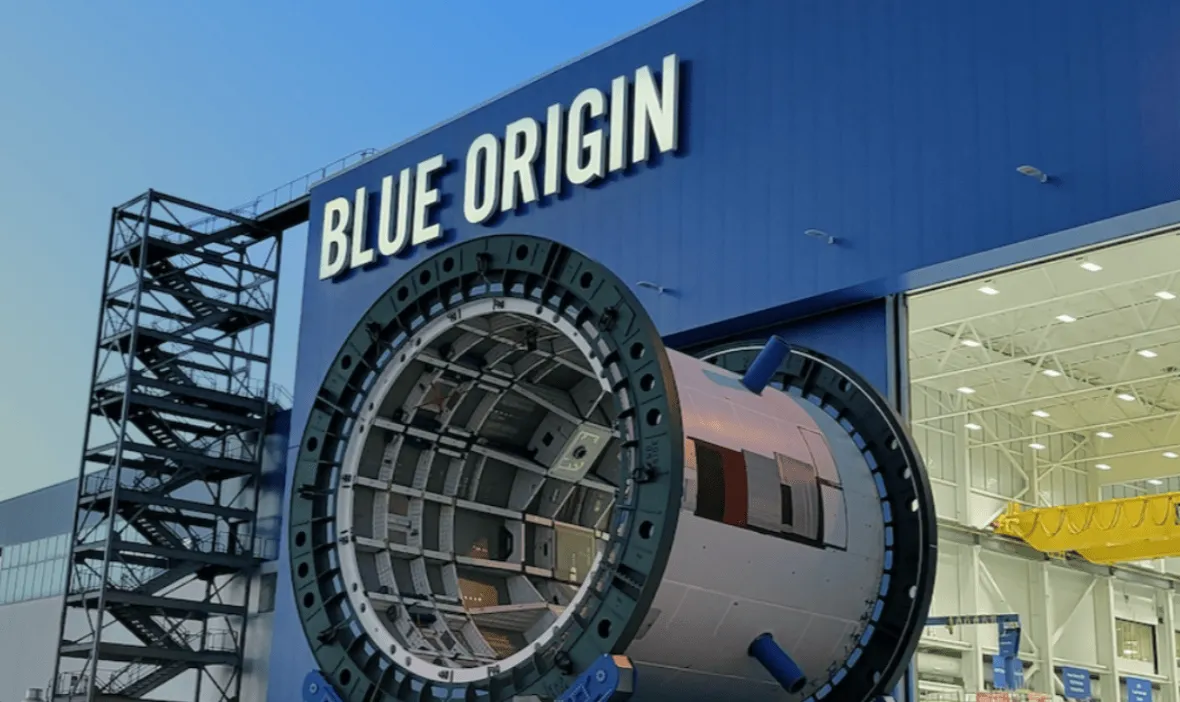
Jeff Bezos’ space company Blue Origin has made a significant contribution to the Smithsonian’s National Air and Space Museum by donating key components from its New Shepard program. The donation includes a New Shepard rocket booster and crew capsule, both of which have played crucial roles in Blue Origin’s suborbital spaceflight endeavors.
The rocket booster, identified as Propulsion Module 4-2, has a storied history. It was utilized in five unmanned flights between 2015 and 2016, including Blue Origin’s first successful booster landing and a high-stakes escape system test. Despite predictions that the escape test would destroy the booster, it survived and went on to be exhibited at various events before finding its final home at the Smithsonian.
This historic piece of hardware is slated for display in the museum’s RTX Living in the Space Age Hall, which showcases artifacts from the Space Age. Curator Colleen Anderson emphasized the importance of rockets in space exploration, noting that the New Shepard booster will be positioned alongside other significant launch vehicles like the Juno 1 rocket, which launched the first U.S. satellite.
The donated crew capsule, known as RSS First Step (Reusable Space Ship), has its own claim to fame. In 2021, it carried the first human passengers on a New Shepard flight, including Jeff Bezos himself. Since then, it has enabled 43 individuals to experience suborbital spaceflight over three years. Curator Emily Margolis highlighted the significance of this achievement, noting that it provided space access to people who might not have had such opportunities otherwise.
Currently, RSS First Step remains in active service, with its most recent flight occurring in August. It is set to be replaced by a new capsule called RSS Karman Line. Once decommissioned, RSS First Step will be displayed in the museum’s Futures in Space gallery, which focuses on advancements in space exploration technology and
enterprise. In the interim, a full-scale mockup will stand in its place.
Blue Origin’s CEO, Dave Limp, expressed enthusiasm for the exhibit, anticipating its impact on visitors who will be inspired to dream about their own space journeys. The donated items are expected to be on display when renovated galleries open in 2026.
This donation continues a tradition of Seattle-area billionaires contributing to space artifact preservation. Jeff Bezos previously funded the recovery of Apollo 11 Saturn V rocket components, now on display at the National Air and Space Museum. Microsoft co-founder Paul Allen donated SpaceShipOne, the first private spacecraft to reach space, which is prominently displayed in the museum’s Milestones of Flight Hall.
The inclusion of Blue Origin’s hardware in the Smithsonian collection marks a significant milestone in the recognition of private
spaceflight achievements. It places New Shepard alongside historic artifacts from NASA and other space agencies, illustrating the evolving landscape of space exploration where private companies play an increasingly important role.
As space tourism and commercial spaceflight continue to develop, these exhibits will serve as important historical markers, documenting the early steps of private companies in making space more accessible. The donation not only preserves key artifacts from this era but also provides a tangible link for museum visitors to connect with the rapidly advancing field of commercial spaceflight.